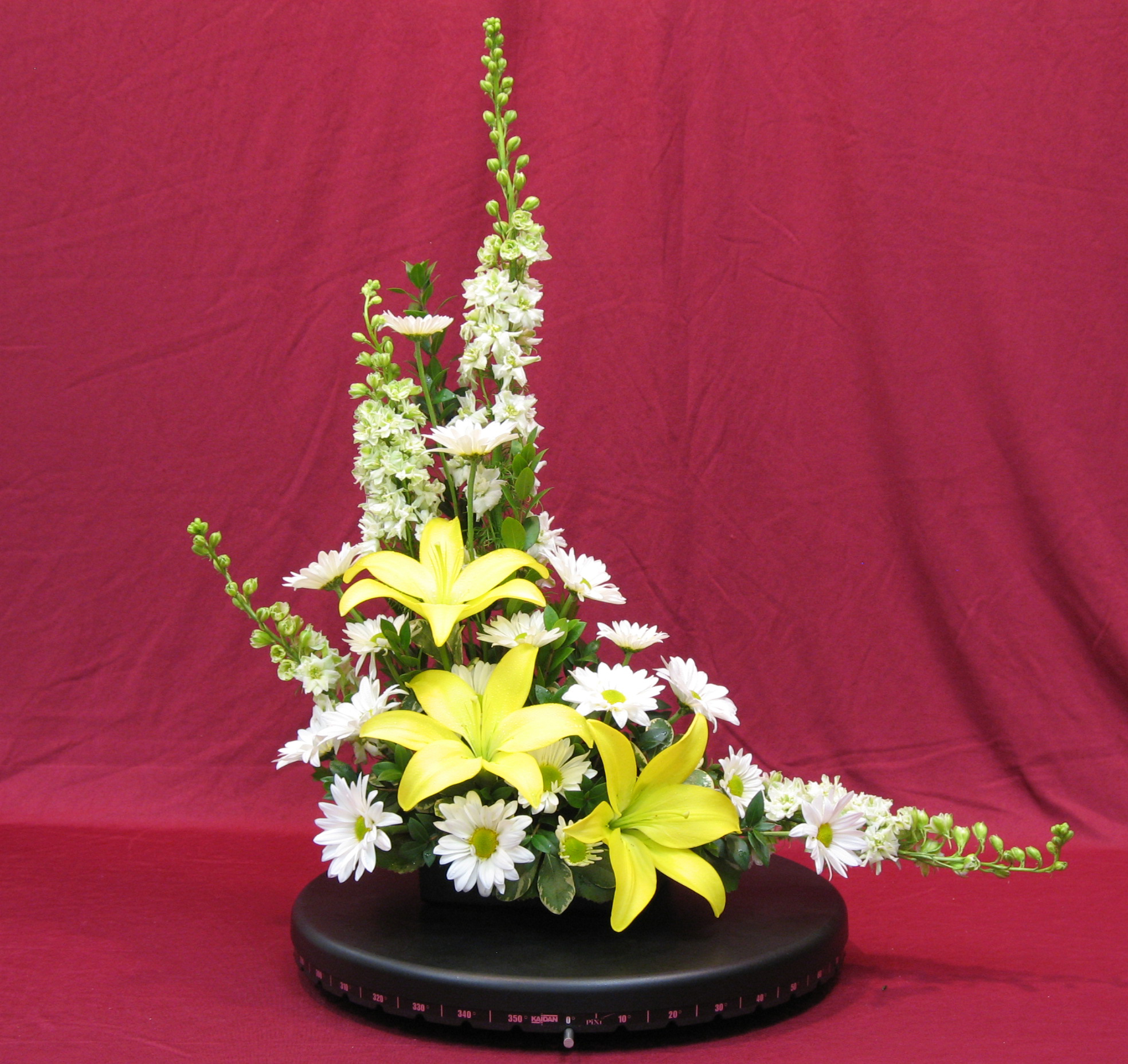
"Everyday" designs are designs that are typically made regularly in flower shops. Though some shops may specialize in certain styles, this course is primary focused on geometric styled designs.
Much of the work that many floral designers perform is concerned with funerals or religious services; sometimes both at the same time.
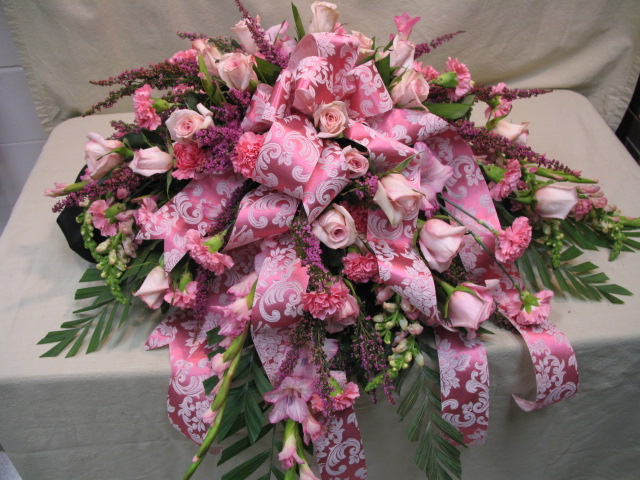 Many of the rites, rituals and customs associated with death have their origins in religious traditions, and the bereaved often find solace in their faith, i.e. rosaries are placed inside caskets, burials take place in churchyards, or religious monuments are erected over gravesites. Thus, the most common floral tributes having to do with expressions of sympathy or berevement have been collected into this course.
- Teacher: Ted Bruehl
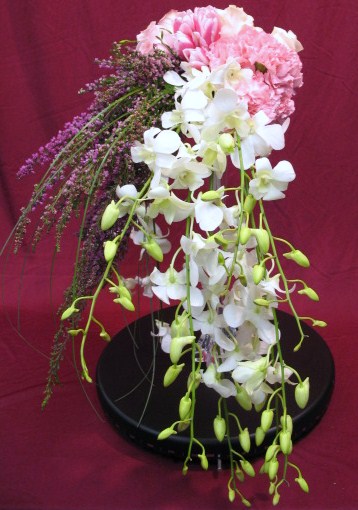
Introduction: Floral designers are regularly asked to create beautiful bridal bouquets, corsages, and boutonnieres. Flowers are vital to enchancing the wedding ceremony. Personal flowers are described as the various styles of floral compositions that are designed to be worn or carried. This includes flowers you carry for special occasions or weddings or designs created to wear as floral jewelry.
- Teacher: Ted Bruehl
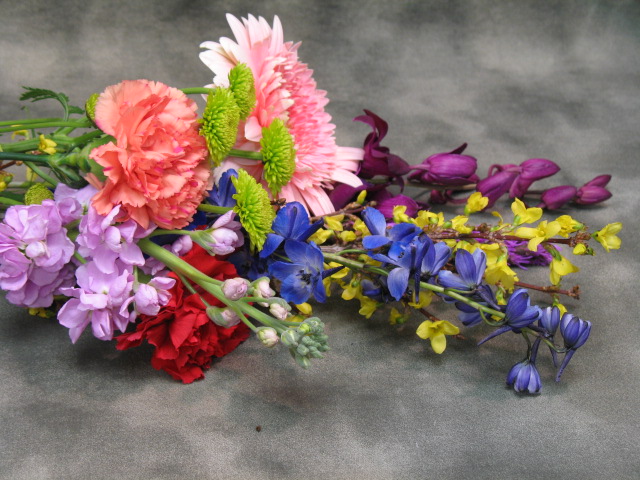
This course is designed to acquaint the student with basic information about the floral industry, including; its origins from a historical perspective, basic floristry tools, supplies, and mechanics, identification of commonly used cut flowers/foliage, and an overview of the American Institute of Floral Designers (AIFD).
This course is recommended prior to enrolling (or concurrently) in any other AIFD online course.